
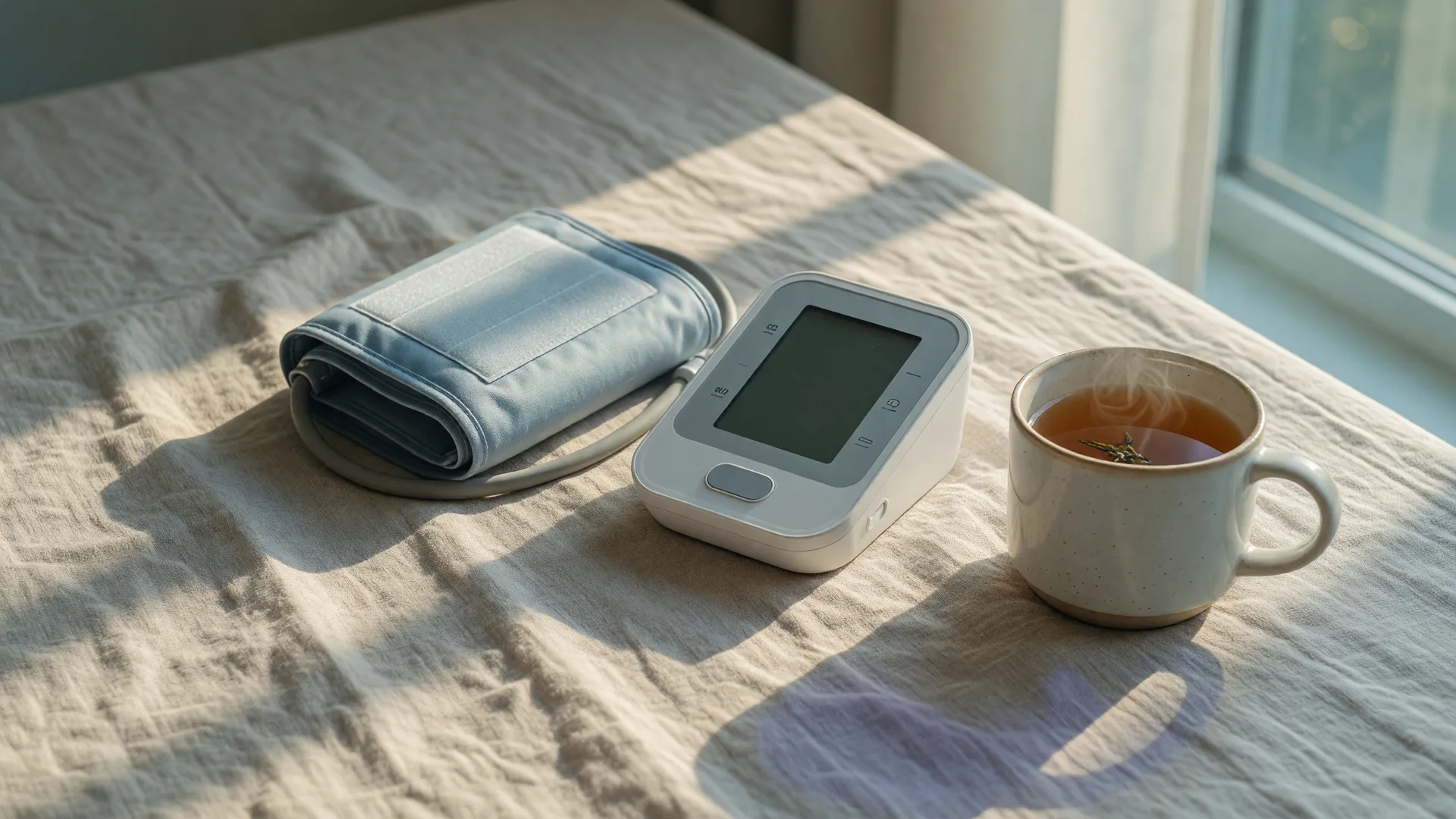
High blood pressure (hypertension) is diagnosed when your average blood pressure is 130/80 mm Hg or higher, and the 2025 U.S. guideline from the American Heart Association and American College of Cardiology recommends a treatment target below 130/80 for most adults. Because high blood pressure usually causes no symptoms, the only way to know your numbers is to have them measured, and a diagnosis is based on the average of multiple readings over time, not a single high number.
What do blood pressure numbers mean?
Blood pressure is recorded as two numbers. The top number (systolic) measures the pressure in your arteries when your heart beats, and the bottom number (diastolic) measures the pressure between beats. Under the 2025 U.S. guideline, blood pressure is grouped into categories based on the average of multiple readings:
- Normal: below 120/80 mm Hg.
- Elevated: 120 to 129 systolic with diastolic below 80.
- Stage 1 hypertension: 130 to 139 systolic or 80 to 89 diastolic.
- Stage 2 hypertension: 140/90 or higher.
What changed in the 2025 hypertension guideline?
The 2025 ACC/AHA guideline sets a single treatment target below 130/80 mm Hg for all adults being treated for high blood pressure, replacing the older, more conservative targets. It also clarifies when medication should start: everyone with a sustained average of 140/90 or higher should begin medication along with lifestyle changes, and adults with readings of 130/80 or higher who have heart disease, a prior stroke, diabetes, chronic kidney disease, or a higher estimated cardiovascular risk are also candidates for medication. Adults in the 130/80 range with lower risk typically start with 3 to 6 months of lifestyle changes before medication is reconsidered.
Why does high blood pressure matter?
High blood pressure is often called a silent condition because it damages the body slowly, over years, without symptoms. Over time it raises the risk of heart attack, stroke, heart failure, kidney disease, and vision problems. The good news is that treatment works: lowering blood pressure reduces those risks, which is why regular measurement and early treatment matter.
- High blood pressure usually causes no symptoms until damage has occurred.
- It is a leading contributor to heart attack and stroke.
- It can damage the kidneys and eyes over time.
- Treatment, including lifestyle change and medication when needed, lowers risk.
How is high blood pressure diagnosed?
A diagnosis is not based on one reading. Your provider looks at the average of readings taken on more than one occasion, and home monitoring is often part of the picture. To get an accurate reading, avoid caffeine and tobacco for 30 minutes beforehand, empty your bladder, sit quietly with your feet flat for about 5 minutes, and use a properly sized cuff. Some people have higher readings in a medical office than at home, which is why home logs are useful.
What does treatment involve?
Treatment is individualized and usually combines lifestyle changes with medication when indicated. Lifestyle measures include eating a diet rich in vegetables, fruits, and whole grains, reducing sodium, staying physically active, reaching and maintaining a healthy weight, limiting alcohol, and getting enough sleep. When medication is prescribed, it is started, adjusted, and monitored by your provider, and follow-up visits track your numbers and any side effects.
When should you see a provider about your blood pressure?
See your provider if home readings are consistently 130/80 or higher, if you have risk factors such as diabetes, kidney disease, or a family history of hypertension, or if you have not had your blood pressure checked in the past year. High blood pressure can also be found at routine visits, which is one reason annual checkups matter. Sudden severe headache, chest pain, shortness of breath, or vision changes with very high readings can be signs of a hypertensive emergency and require emergency care.
Frequently asked questions
What is a normal blood pressure reading?
Is 130/80 considered high blood pressure?
Will I need medication if my blood pressure is 135/85?
Can high blood pressure be managed in primary care?
Sources and further reading
Educational purpose: This article is for general educational purposes and is not medical advice, diagnosis, or treatment. Always consult a qualified healthcare provider about your specific health situation.
About the author: Tina Jordan, MSN, APRN, FNP-C, is a board-certified Family Nurse Practitioner and the lead provider at TruHealth Primary Care in Locust Grove, Georgia.